
The January Pantry Reset: A Calm Start to the New Year
This post shares gift and decor ideas. As an Amazon Associate, NestingNook earns from qualifying purchases. Prices change often, so please check the current price before you buy.
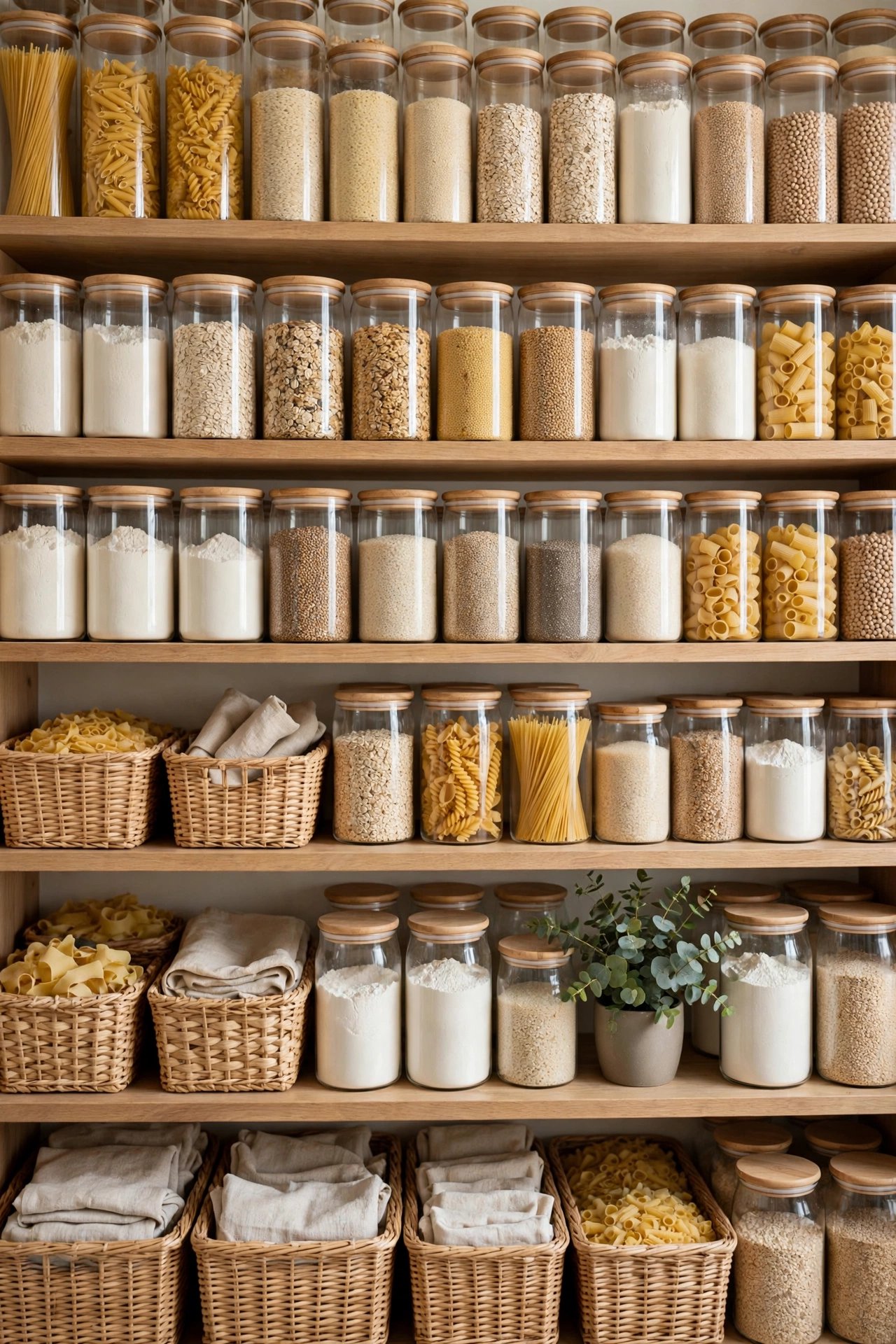
January is the one month when the house asks for a fresh start, and the pantry is the best place to begin. It is small enough to finish in a weekend, and the payoff is daily — every meal for the next month gets a little easier.
A pantry reset is not a deep clean or a shopping spree. It is three simple moves: take everything out, decide what stays, and put it back so you can actually see it. Here is the calm way to do it.
Step 1: Take it all out
Empty one shelf at a time onto the kitchen table, and wipe each shelf as you go. This is the only way to see what you actually have — the three half-open bags of rice, the two bottles of soy sauce, the spice jar from two Christmases ago. It looks worse before it looks better, and that is normal.
Step 2: Sort with three piles
Make three piles: keep, donate, and throw away. Keep what you will genuinely use in the next three months. Donate unopened, in-date food to a food bank. Throw away anything out of date, stale, or mystery — if you cannot remember buying it, you do not need it.
Be honest with yourself here. The half-used bag of specialty flour from a recipe you made once is not a plan; it is clutter. Let it go.
Step 3: Decant the everyday things
Decant the things you reach for every day — flour, sugar, rice, oats, coffee — into clear glass containers with simple labels. Glass containers keep food fresher, and seeing what you have stops you buying a third bag of something you already own. You do not need to decant everything; start with the five things you use most.
Step 4: Group by how you cook
Put things back in groups that match how you actually cook: breakfast together, baking together, weeknight dinners together. Put the everyday things at eye level, the heavy things low, and the rarely-used things high. The test is simple — can you find the cumin without moving three other jars?
Step 5: A small restock list
As you put things back, write a short restock list of the staples you are genuinely out of — not a fantasy list, a real one. Buy only that list on your next shop. A pantry reset that ends with a huge trolley of new things has missed the point.
Keeping it going
The reset lasts if you adopt one habit: one in, one out. When a new jar comes in, the empty one goes straight to the recycling. And once a month, spend ten minutes checking dates on one shelf. A pantry that gets ten minutes a month never needs another full reset.
What this reset is really for
A tidy pantry is not about being perfect. It is about starting the year with one corner of the house that works properly, so the rest of the house feels possible. Cook one simple dinner from your newly organized shelves tonight, and notice how much calmer it feels. That is the whole point.
Frequently Asked Questions
How long does a January pantry reset take?
One weekend, taken slowly — a few hours spread over two days. Empty one shelf at a time so the kitchen stays usable while you work.
Should I decant everything into glass containers?
No — start with the five things you use most, like flour, sugar, rice, oats and coffee. Clear glass containers keep food fresher and stop you buying duplicates.
What do I do with food I don't want?
Unopened, in-date food can go to a food bank. Anything out of date or stale should be thrown away. Be honest — if you cannot remember buying it, let it go.
How do I keep the pantry organized after the reset?
Adopt one habit: one in, one out. And spend ten minutes once a month checking dates on one shelf. A pantry that gets ten minutes a month never needs another full reset.